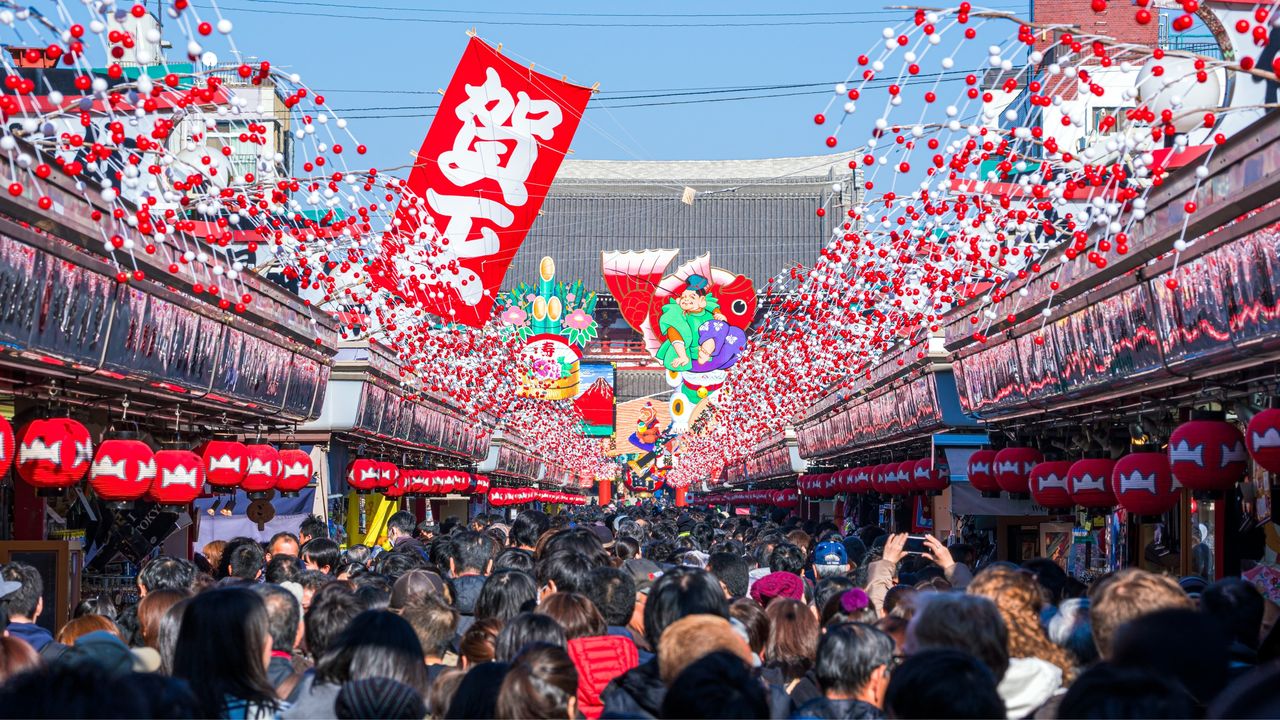

September in Japan signals the shift from the heat of summer to the cooler, calmer days of autumn. Typhoon season can bring sudden rain, but it also clears the skies for crisp evenings and vibrant seasonal festivals. As the school holidays end, crowds thin in major tourist areas, making September an excellent month for travelers seeking cultural immersion and breathing space.
This is the season when Japan’s traditions take on a more reflective tone. Lantern-lit dances honor ancestors, harvest festivals give thanks for rice and crops, and historic processions bring ancient rituals back to life. At the same time, modern celebrations — from international food fairs to urban street festivals — highlight Japan’s multicultural influences. Below is a handpicked lineup of things to do in Japan in September, blending ancient traditions with seasonal spectacle.
Planning Ahead: Weather, Packing, Crowds
September marks the tail end of summer and a gentle nudge into autumn. Expect temperatures between 24–30°C (mid-70s to low-80s°F) earlier in the month—mild in the north, sticky down south—but warm evenings and cooler mornings. Typhoons are still possible through mid-September; check forecasts and keep your itinerary flexible.
Packing should balance light summer wear with a waterproof jacket or umbrella for sudden rain. If you’re heading north (Tohoku, Hokkaido), bring a light sweater as nights cool down faster. Comfortable shoes are essential for matsuri, as many involve walking through lively streets. Humidity is still present, particularly in the first half of the month, though it gradually eases as autumn sets in. Expect some sticky afternoons in central and southern regions, while evenings often feel fresher and more comfortable.
Japan in September is noticeably calmer compared to the peak travel. With school holidays over, crowds are lighter compared to July and August, with major cities and attractions more relaxed, though you’ll still find bustling energy around big-name events and regional matsuri. This makes September an attractive month for visiting major cities without the summer rush, though expect larger gatherings around famous festivals like Kishiwada Danjiri Matsuri or Yokohama Chinatown Festival.
Top Things to Do in Japan in September
Owara Kaze no Bon Festival (Toyama) – September 1–3
Location: Yatsuo, Toyama City
Entrance Fee: Free
Opening Times: Evenings, 7 PM–11 PM
Website:
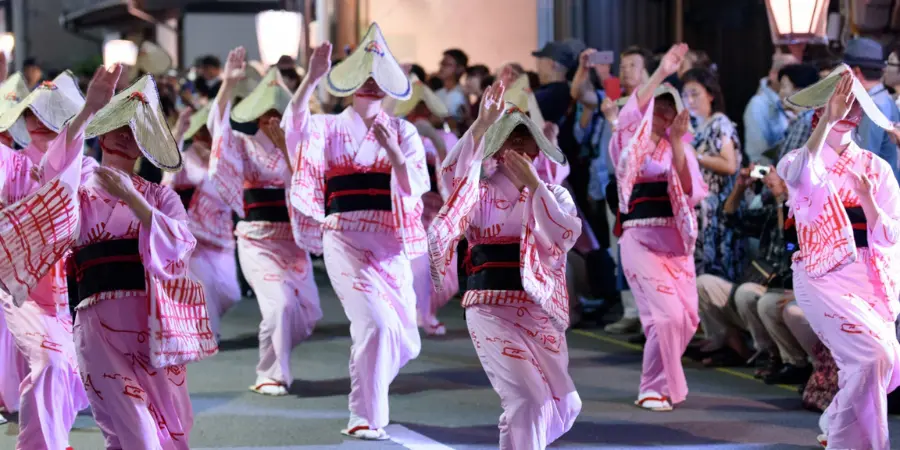
The Owara Kaze no Bon Festival began over 300 years ago as a way for farmers to pray for protection from strong winds that could ruin rice crops. Today, it’s one of Japan’s most atmospheric festivals. Dancers in straw hats move slowly and gracefully through lantern-lit streets while shamisen and taiko provide haunting music.
Unlike the vibrant energy of most matsuri, Kaze no Bon is quiet and deeply reflective, making it a unique window into Japan’s agricultural traditions.
Sasebo Seaside Festival (Nagasaki) – Sept 6–7
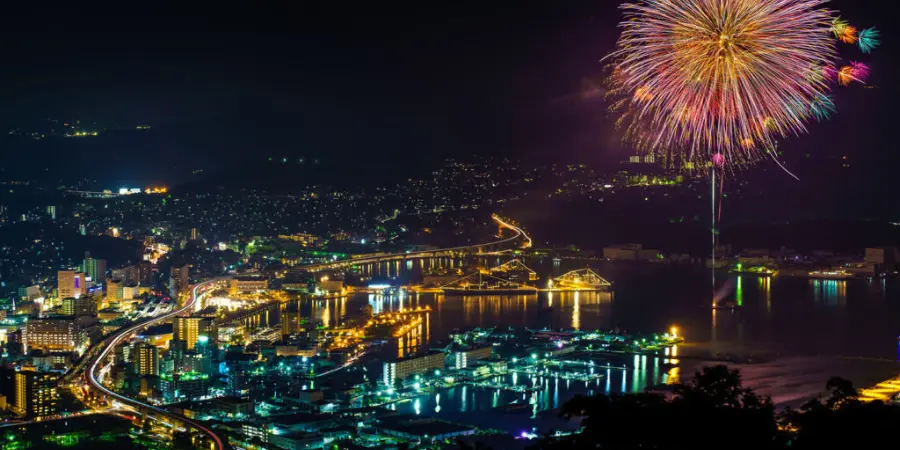
Image Credit: PIXTA/ kattyan
Location: Sasebo Port, Nagasaki Prefecture
Entrance Fee: For paid seating visit their ticket information page
Opening Times: Daytime events start at 10:00 AM; fireworks start at approx. 7:30 PM
Website:
The Sasebo Seaside Festival celebrates Nagasaki’s maritime identity. The centerpiece is the fireworks over the harbor — a continuation of Japan’s love of hanabi even as summer ends. Families gather on the waterfront, children carry glowing toys, and food stalls serve regional specialties like champon noodles and lemon steak.
Beyond fireworks, the event features boat parades and performances that highlight Sasebo’s ties to the sea. For travelers, this is a chance to see how port cities reinterpret festival culture, mixing entertainment with a strong sense of place.
Kakunodate Matsuri (Akita Prefecture) – Sept 7-9
Location: Kakunodate, Akita Prefecture
Entrance Fee: Free
Opening Times: Daytime processions; floats collide in scheduled oyamabayashi events
Website:
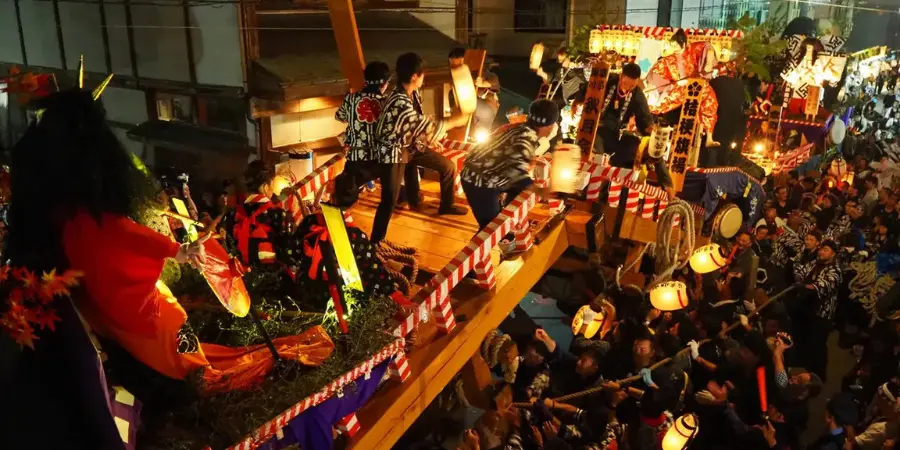
The Kakunodate Matsuri, with a history spanning over 350 years and designated as an Important Intangible Cultural Property, offers a rare mid-September Matsuri that blends procession artistry with local tradition. Elaborately carved festival floats parade through Kakunodate’s preserved samurai district. At key moments, floats gently collide — building buzz, excitement, and communal energy without chaos. This respectful, physically restrained version of float competition offers visitors a window into how northern Japan balances tradition, craftsmanship, and controlled spectacle — all while stepping into one of the country’s most elegant historical towns.
Sapporo Autumn Fest (Hokkaido) — Sept 12–Oct 4
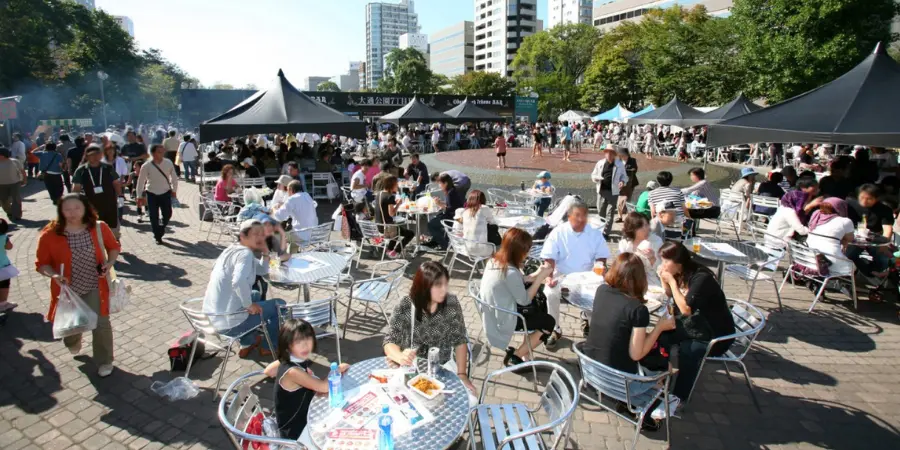
Location: Odori Park, Sapporo
Entrance Fee: Free (food and drink sold separately)
Opening Times: 10:00 AM– 8:30 PM daily
Website:
The Sapporo Autumn Fest (launched in 2008) quickly became one of Japan’s biggest food festivals. It transforms Odori Park into a culinary showcase where each block features a theme: Hokkaido ramen, craft beer, local sweets, and seasonal produce. The festival reflects Hokkaido’s role as Japan’s “breadbasket,” producing much of the nation’s dairy, wheat, and seafood. Travelers can sample limited-edition dishes from top restaurants without leaving the park.
The atmosphere is relaxed, more about indulgence than ritual, and it bridges summer tourism with autumn’s slower pace. For food lovers, it’s one of the most rewarding things to do in Japan in September — a literal taste of Hokkaido’s identity.
Jozenji Street Jazz Festival (Sendai) — Sept 13–14
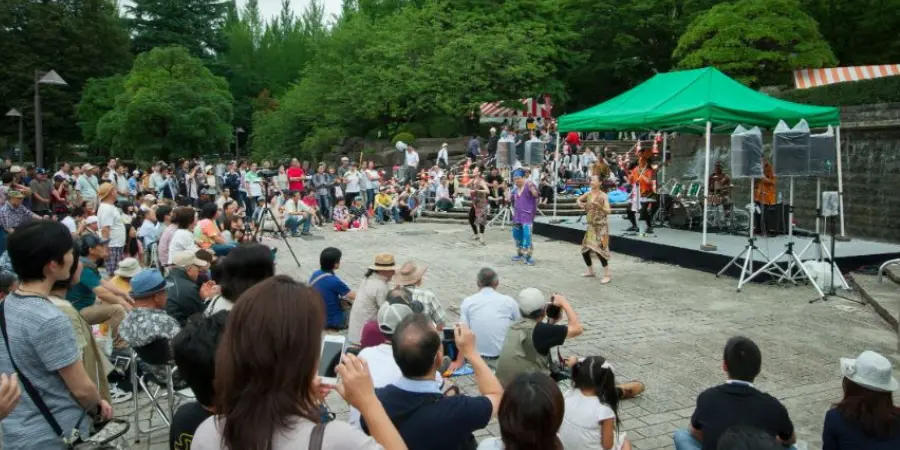
Location: Jozenji-dori Avenue, Sendai, Miyagi Prefecture
Entrance Fee: Free
Opening Times: Daytime and evening, multiple stages
Website:
Started in 1991 by local volunteers, the Jozenji Street Jazz Festival is now one of Japan’s largest free music events. It covers a spectrum — jazz, rock, folk, even gospel — with hundreds of acts performing across more than 40 stages. The leafy Jozenji-dori becomes the main stage, but music spills into shopping arcades, plazas, and side streets, creating a citywide rhythm.
The spirit of the festival is inclusivity: professionals share space with student bands, and audiences range from devoted fans to casual passersby. For travelers, it’s a chance to see a Japanese city transformed into a giant outdoor music hall — energetic, diverse, and community-driven. And for fans of Japanese jazz, Sendai offers a rare opportunity to hear both established artists and rising local talent in the very streets where the country’s jazz culture has thrived.
For more information check out the official Sendai Tourism website here.
Kishiwada Danjiri Matsuri (Osaka) — Sept 14–15
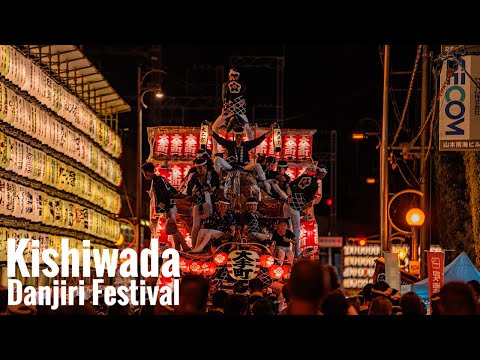
Location: Kishiwada City, Osaka Prefecture
Entrance Fee: Free
Opening Times: Processions run from morning until evening
Website:
The Kishiwada Danjiri Matsuri is among Japan’s most thrilling and intense festivals. It originated in the early 18th century to pray for a bountiful harvest. Today, it is famous for its massive wooden floats (danjiri), elaborately carved and weighing several tons. Teams of locals haul them at breakneck speeds through narrow streets, demonstrating strength, skill, and razor-sharp coordination.
The spectacle is equal parts danger and artistry, and crowds cheer loudly as the floats careen around corners. Unlike quieter autumn rituals, this festival is pure adrenaline and showcases Osaka’s reputation for spirited, larger-than-life celebrations.
Tsurugaoka Hachimangu Reitaisai (Kamakura, Kanagawa) — Sept 14–16
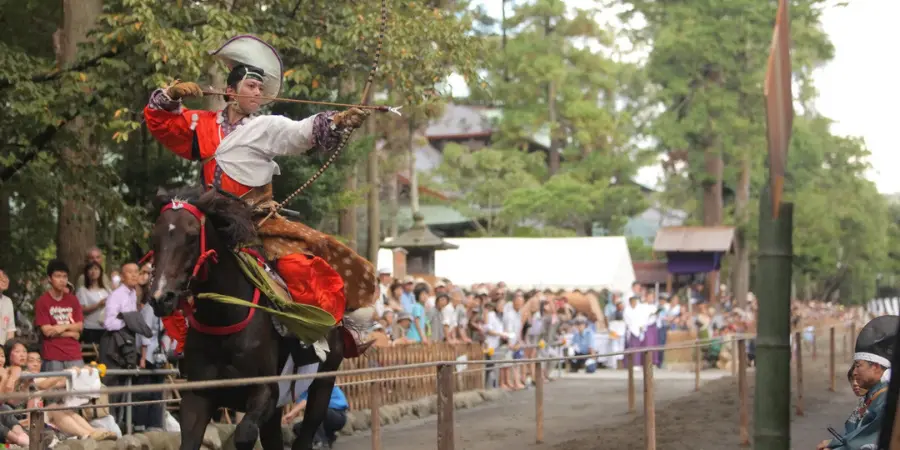
Image Credit: Japan Food Guide
Location: Tsurugaoka Hachimangu Shrine, Kamakura, Kanagawa Prefecture
Entrance Fee: Free
Opening Times: Events throughout the day, main horseback archery (Yabusame) on Sept 16
Website:
The Reitaisai honors Hachiman, the Shinto god of war and protector of Japan. Its highlight is the Yabusame horseback archery ritual, where archers in samurai attire gallop down a track, shooting arrows at wooden targets. The practice dates back to the Kamakura shogunate in the 12th century, blending martial discipline with spiritual devotion.
Visitors also see parades, Shinto dances, and rituals that showcase the city’s warrior heritage. For travelers, it’s a rare opportunity to witness an authentic samurai tradition come to life against the historic backdrop of Kamakura.
Yokohama Chinatown Festival (Kanagawa) – Mid to Late September

Location: Yokohama Chinatown, Kanagawa Prefecture
Entrance Fee: Free
Opening Times: Daytime into evening
Website:
The Yokohama Chinatown Festival celebrates the rich multicultural heritage of Japan’s largest Chinatown. Streets fill with vibrant parades, traditional lion dances, and music performances, while over 600 restaurants and shops showcase seasonal menus and festive decorations.
Visitors can sample mooncakes and other specialties tied to the Mid-Autumn Festival, making it both a cultural and culinary highlight. For travelers, this event offers a lively contrast to Japan’s traditional autumn matsuri, reflecting how international influences have shaped the nation’s modern identity.
Tokyo Grand Sumo Tournament (Aki Basho) (Ryōgoku, Tokyo) — September 14–28
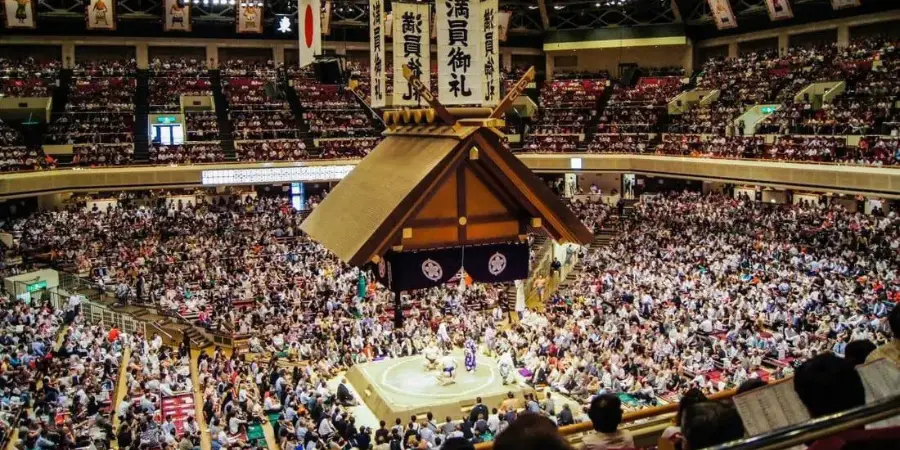
Image Credit: Beautifully Travelled
Location: Ryōgoku Kokugikan, Tokyo
Entrance Fee: Check seat pricing here – https://www.sumo.or.jp/EnTicket/
Opening Times: Matches generally from 8:30 AM – 6:00 PM (main bouts in afternoon)
Website:
The Aki Basho, one of six annual Grand Sumo Tournaments, brings Japan’s national sport to its spiritual home in Ryōgoku. Over 15 days, wrestlers (rikishi) compete in dramatic clashes where tradition, ritual, and raw strength converge. Visitors can witness the full ceremony — from the stomping ring-entering rituals to the tense face-offs — making it one of Tokyo’s most immersive cultural experiences.
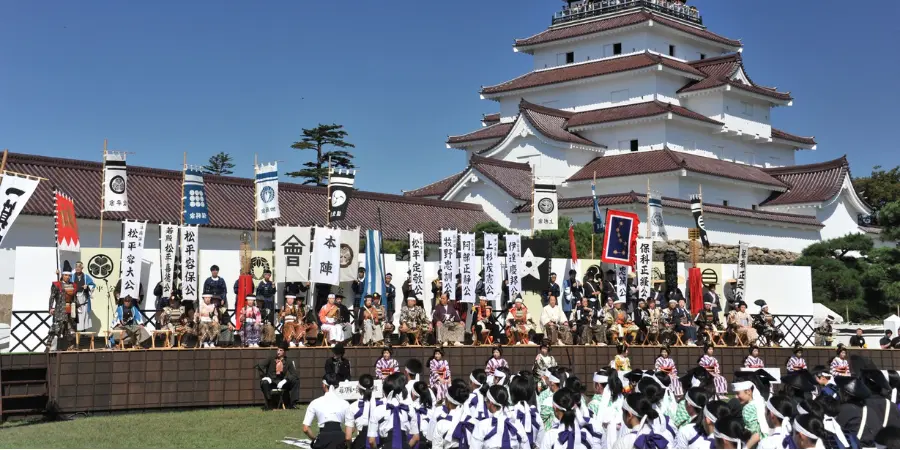
Aizu Matsuri (Aizuwakamatsu, Fukushima) — September 19–21
Location: Aizuwakamatsu Castle (Tsuruga Castle) and city center, Fukushima Prefecture
Entrance Fee: Free
Opening Times: Events run from morning to evening across three days
Website:
The Aizu Matsuri commemorates the samurai heritage of the Aizu domain, particularly the Byakkotai (White Tiger Corps), young warriors who fought in the Boshin War (1868). The highlight is a massive parade of more than 500 participants dressed as samurai, daimyo, and historical figures marching through the city.
With the backdrop of Tsuruga Castle, the festival brings history alive while honoring Aizu’s spirit of loyalty and resilience. For visitors, it’s a vivid way to experience how regional traditions preserve the memory of Japan’s samurai past.
Get a chance to participate in the procession as a Japanese samurai by booking a slot here.
Fukuro Matsuri (Tokyo) – September 27–28
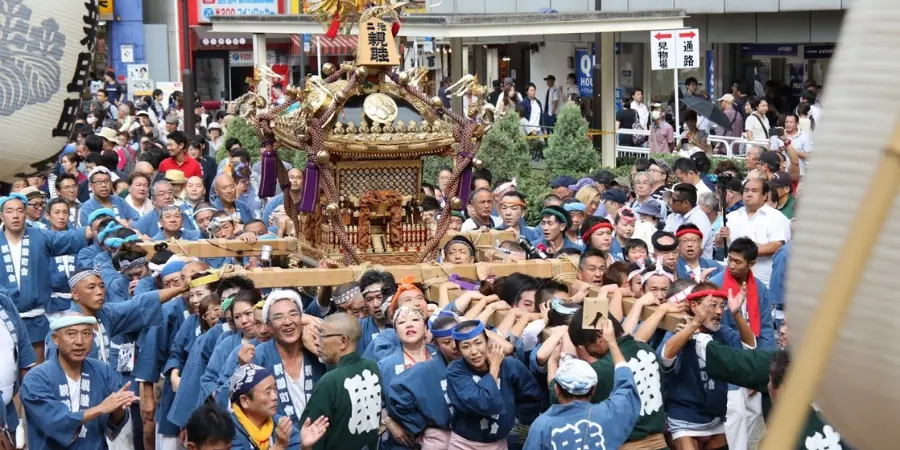
Image Credit: Timeout
Location: Ikebukuro, Tokyo
Entrance Fee: Free
Opening Times: Afternoon to evening parades
Website:
Held in Tokyo’s bustling Ikebukuro district, the Fukuro Matsuri has grown into one of the capital’s largest autumn festivals since its start in 1968. The highlight is the energetic mikoshi (portable shrine) parades, accompanied by taiko drumming, street performances, and local community stalls.
Its urban setting makes it especially appealing to visitors who want to see a large-scale festival without leaving Tokyo. The event also blends traditional Shinto rituals with the city’s vibrant pop culture, as the second weekend (early October) now hosts anime parades tied to the festival.
link