

For many travel enthusiasts, the dream of visiting Japan is almost universal. The island country is renowned for its rich culture, modern architecture, zen lifestyle, clean streets, safety, efficient public transport, precise craftsmanship, and top-notch hospitality. Not to mention, the food is simply delicious! Did you know that Japan boasts some of the most Michelin-starred restaurants in the world? This is because of its fresh, flavourful ingredients and diverse culinary offerings. If you’re planning a trip to Japan soon and need assistance with your itinerary, we’ve got you covered!
From white rocky beaches to scenic hot spring resort towns, explore our guide to the most beautiful places to visit in Japan.
The best time to visit Japan
Japan experiences four seasons, each offering its distinct array of events and activities. While spring and autumn are popular among tourists, summer and winter also have plenty to offer. Here’s what to expect during each season:
Spring (March-May): Cherry blossoms, Japan’s national flower, symbolise the end of winter and the fleeting nature of life. Cherry blossom trees bloom at different times each year, so planning your Japan itinerary around the cherry blossom forecast is advisable.
What to wear: Spring coat, turtle-neck sweaters, comfy sneakers, lightweight sweaters, and fleece pants.
Summer (June-August): Japan’s summers are usually warm and humid. It’s the perfect time to wear a cotton summer kimono (yukata), indulge in shaved ice dessert (Kakigori), savour cold buckwheat noodles (zaru soba), and attend Japanese food and fireworks (hanabi) festivals.
What to wear: Sleeveless tops, cotton tees, linen pants, sun hats, sports sandals, sheer jackets, shorts, and jeans.
Autumn (September-November): If you prefer milder temperatures, autumn is the ideal time to visit Japan. The weather is pleasant, and you can witness the stunning fall foliage as leaves change colours to vibrant shades of red, orange, and yellow.
From Kyoto To Kashmir, explore our guide to Asia’s diverse fall foliage wonders.
What to wear: Long-sleeved shirts, corduroy jackets, cardigans, fluffy jackets, sweaters, knitwear skirts, sneakers, warm leggings and ankle boots.
Winter (December-early March): Japan transforms into a magical wonderland during winter, thanks to the winter illuminations around Christmas and New Year. These illuminations aren’t limited to major cities like Tokyo, Kyoto, or Osaka; you can also find them in smaller towns across Japan.
Here’s our guide to unlocking a dreamy winter in Japan.
What to wear: Down jackets, warm leggings, fluffy sweaters, knee-high boots, ankle-high outdoor shoes, knee-high socks, earmuffs and cashmere scarves.
Japan itinerary – Arriving in Tokyo
Tokyo has two international airports: Haneda and Narita. Haneda Airport is within the city, while Narita Airport is in Chiba prefecture, further outside Tokyo. Upon arrival, buying a Pasmo or Suica IC Card at the airport is recommended for convenient travel on local trains and buses throughout Japan.
If you arrive at Haneda Airport, accessing taxis, local trains and buses in Tokyo is straightforward. However, since Narita is far from central Tokyo, the quickest way to travel is by train. The Narita Express or Keisei Skyliner will get you to central Tokyo in approximately an hour. If you’re driving or riding a taxi from Narita to Tokyo, expect the journey to take 2-3 hours.
Here’s what your ideal Japan itinerary should look like.
Day 1 – Tokyo

If you arrive early in Tokyo, start your day with a fresh seafood breakfast at the Tsukiji Outer Market. We recommend trying the omelette sandwich (tamagoyaki sando) at Tsukiji Shouro, the jumbo mackerel rice ball (onigiri) at Onigiri-ya Marutoyo, sushi at Sushi Dai, and pork dumplings at Suga Shoten.
Hama-rikyu Gardens is a 20-minute walk from the Tsukiji Outer Market. This beautiful oasis of greenery offers a glimpse into an Edo-period-style zen garden. Remember to visit the Japanese tea shop inside the garden to enjoy matcha tea paired with Japanese sweets (wagashi).
TeamLab Planets is just a 10-minute taxi ride from Hama-rikyu Gardens. It is an interactive digital museum that seamlessly combines elements of nature and technology. Make a booking here.
For your evening entertainment, you have two options. You can take a 15-minute walk to LaLa Port in Toyoso, a popular dining and shopping destination, or head to Odaiba Seaside Park. To reach Odaiba Seaside Park, take the train from Shin-Toyosu Station (near TeamLab Planets) to Odaiba-kaihinkōen Station. From there, it’s a short 5-minute walk. Enjoy stunning views of Tokyo’s Rainbow Bridge and the Statue of Liberty. Consider staying at one of the nearby hotels in Odaiba, such as Hotel Hilton, Grand Nikko Tokyo Daiba and Hotel Trusty Tokyo Bayside.
Book your stay at Hotel Hilton, Tokyo via Agoda.com
Book your stay at Hotel Hilton, Tokyo via Booking.com
Day 2 – Tokyo

Begin your day by taking a train from Tokyo’s Teleport Station in Odaiba to the Shibuya Station. Shibuya’s top attractions include Shibuya Scramble Crossing, Meiji Shrine, Yoyogi Park, Hachiko Memorial Statue, and Shibuya Sky. Since Shibuya tends to get crowded later in the day, we recommend exploring it in the morning.
Spend your afternoon in Shinjuku (a 25-minute train ride from Shibuya). Stroll around Shinjuku Gyoen, one of the best spots to view cherry blossoms and fall foliage. You grab lunch at Shinjuku Golden Gai, a narrow district with tiny bars and restaurants. Explore our guide to Tokyo’s delicious and healthy vegetarian food options.
From Higashi-Shinjuku Station, take the Oedo Line subway to Asakusa. Visit Tokyo’s oldest Buddhist temple, Sensō-ji, and its surrounding area teeming with traditional craft shops, street food stalls, bars, arcades and shops. These are the best ramen spots in Tokyo. Don’t miss the opportunity to view Tokyo Skytree from the temple. You can also enjoy a good view of Tokyo Tower from Asakusa’s Daimon Subway Line.
Consider staying at APA Hotel in Asakusa for a budget-friendly option, or check into The OneFive Tokyo Hotel Shibuya if you prefer to stay in Shibuya – it’s in the heart of Tokyo and just a 10-minute walk from Shibuya Station. If you are on a strict budget, capsule hotels like The Global Hotel Tokyo in Shinjuku offer modern amenities like free WiFi, 24-hour reception, breakfast and powder rooms.
Book your stay at The OneFive Tokyo Hotel Shibuya via Agoda.com
Book your stay at The OneFive Tokyo Hotel Shibuya via Booking.com
Day 3 – Tokyo

Devote an entire day on your Japan itinerary to shopping in Tokyo.
- From high-end beauty products to designer fashion labels to luxury electronics, Chuo-dori in Ginza and Omotesando are shopping havens.
- You will find the best deals at Yodobashi Camera in Akihabara and Bic Camera at Shinjuku West Exit for phones, laptops and house gadgets.
- For manga comics and anime merchandise, Akihabara, Nakano Broadway and Ikebukuro will spoil you for choice.
- If you love Japanese pottery and kitchenware, bookmark Kappabashi Street.
- Travel to Harajuku, Shibuya, Shinjuku, and Shin-Okubo for the latest fashion, beauty, and food trends. For Japanese-themed souvenirs, shop at Nakamise-Dori in Asakusa, Tokyo Skytree in Sumida, Loft in Shibuya and Mega Don Quijote in Shibuya.
- In Ginza, Itoya and Loft offer the best selection of stationery. Daiso Can Do, and Seria are all great 100 Yen stores if you’re looking for more affordable stationery options.
- If you have free time in the evening, we recommend visiting Tokyo Skytree, Shibuya Sky or Tokyo Tower to get a bird’s-eye view of Tokyo.
Japan itinerary day 4 – Tokyo

You must add Tokyo Disneyland or Tokyo DisneySea to your Japan Itinerary. Whether you are a Disney fan or not, these parks offer the most magical experience for visitors of all ages. Tokyo Disneyland is ideal for families with children, while DisneySea caters more to adults. Book your tickets online in advance to avoid long queues at the ticket counter.
Explore our comprehensive guide to things to do in Tokyo in 2024.
Day 5 – Lake Kawaguchiko

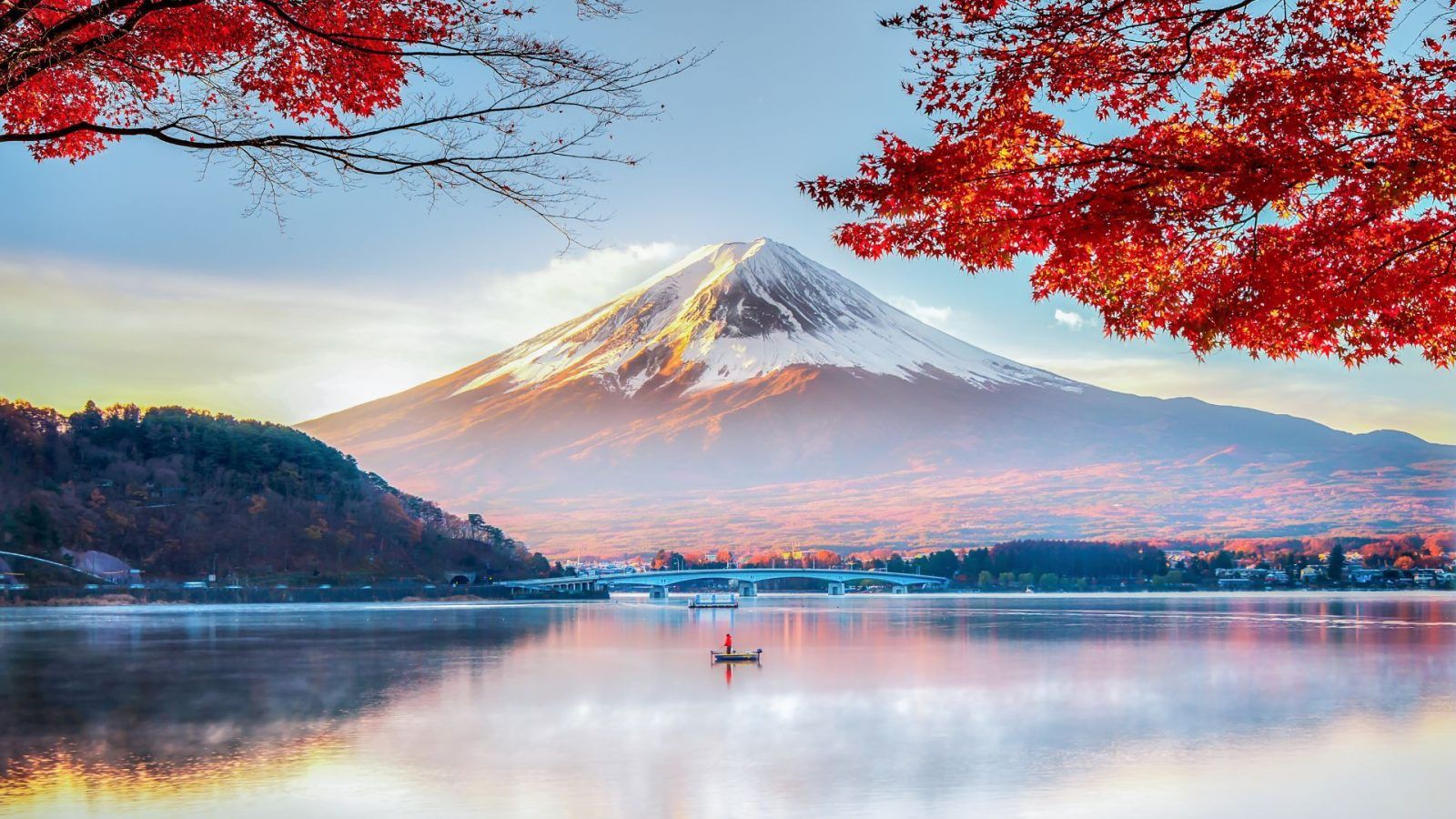
If the weather is sunny, take a day trip from Tokyo to Lake Kawaguchiko via a highway bus to catch a glimpse of Mt. Fuji. While in Kawaguchiko, visit Oishi Park, Kawaguchiko Music Forest Museum and Arakurayama Sengen Park.
For those with a driver’s license, renting a car offers the flexibility to drive up to the fifth station of Mt. Fuji. Ride the Mt. Fuji Panoramic Ropeway for breathtaking views of Mt. Fuji and Lake Kawaguchiko. Some of the best hotels in Kawaguchiko with magnificent views of Mt.Fuji include Ubuya, Mizuno and Mt.Fuji Glamping Villa.
Book your stay at Ubuya via Agoda.com
Book your stay at Ubuya via Booking.com
Japan itinerary day 6 – Kyoto

There is no direct route from Lake Kawaguchiko to Kyoto. The most cost-effective and reliable option is to take a bus from Kawaguchiko Station to Mishima Station, then catch the bullet train (or shinkansen) to Kyoto. The journey from Mishima to Kyoto takes approximately 2 hours.
Add Kyoto to your Japan itinerary for its laid-back ambience, rich Japanese culture, and traditional architecture. Begin your exploration of Kyoto by visiting Kinkaku-ji, one of Kyoto’s most iconic temples, featuring a stunning three-tiered pavilion covered in gold leaf. Take your time exploring serene zen rock gardens like Enkouji, Daitokuji Temple, Ryoanji, and Tofukuji.
Manga lovers must visit the Kyoto International Manga Museum, which boasts an extensive collection of Japanese manga, including a decent selection in English.
Day 7 – Kyoto

Wear your most comfortable sneakers as you set off on a day of walking through the Arashiyama Bamboo Forest and Fushimi Inari. We recommend visiting the bamboo forest early in the morning (around 7-9 am) to avoid crowds. Take a 45-minute stroll along the 500-metre-long path, surrounded by bamboo stalks. To enhance your experience, you can rent a kimono or book a rickshaw tour. If you get hungry, there are plenty of restaurants, food stalls, and cafes around the bamboo forest.
Next up on your Japan itinerary should be Fushimi Inari, located just outside the JR Inari station. Marvel at the long stretch of iconic vermillion torii gates lining the pathway. There’s a shrine at the base of the mountain, and to reach there, you must walk through the 1,000 torii gates. It takes two hours to reach the top. Don’t worry, as there are shrines and stalls along the way where you can take a break.
After a day of exploring, treat your feet to relaxation at Arashiyu Foot Massage & Spa, where you can experience Japanese hospitality and culture at its finest along with foot massages and refreshments.
For an early dinner, you can either dine at Gion’s main Hanamikoji Street or sample local delicacies at Kyoto’s 400-year-old Nishiki Market.
Here’s our explainer on Japanese Onsens and essential etiquette tips before visiting one.
Most hotels in Kyoto offer spacious and aesthetically pleasing accommodations. Consider staying at Six Senses Kyoto for a boutique hotel experience with wooden and neutral interiors, or opt for Kyoto Nanzen-ji Garden for traditional Japanese accommodations with rooms overlooking a serene Japanese garden. Budget-conscious travellers can find comfortable accommodations at Kyoto Hana Hostel, conveniently located just a 5-minute walk from Kyoto Station.
Book your stay at Nanzen-ji Garden, Kyoto via Agoda.com
Book your stay at Nanzen-ji Garden, Kyoto via Booking.com
Japan itinerary day 8 – Nara

From Kyoto Station, hop on the Kintetsu Kyoto Line Express to Nara. The journey takes less than an hour, with fares priced at under JPY 1,000. Nara, once the capital of Japan, is home to famous heritage sites like the Kasugataisha Shrine, Kohfukuji Temple, and Todaiji Temple, a UNESCO World Heritage Site.
Don’t miss the opportunity to visit Nara Park, where over 1,000 wild deer roam freely. Visitors can feed them special biscuits (shika senbei) and capture memorable photos with these friendly creatures.
Nearby, Sanjo-dori offers a shopping experience filled with traditional crafts, sweets, Japanese tableware, and souvenirs. Consider booking accommodations near Nara Park for convenience, with options including Iroha Grand Hotel Kintetsu Nara Ekimae, Hotel Tempyo Nara Machi, and Nara Park Hotel.
Book your stay at Nara Park Hotel via Agoda.com
Book your stay at Nara Park Hotel via Booking.com
Day 9 – Osaka

Catch a rapid express on the Kintetsu Nara Line from Nara Station to Osaka. Begin your day exploring Osaka’s iconic landmarks, including Osaka Castle and its museum, which offer panoramic views of the city from the observation platform.
Next, head to Dotonburi, Osaka’s bustling shopping and food district. Indulge in local delicacies such as ramen at Ichiran, crab dishes at Kani Doraku, tempura at Dotonburi Imai Honten, and Japanese pancakes (okonomiyaki) at Mizuno. Dotonburi is also adjacent to the vibrant Namba District, popular for its shopping opportunities.
Wrap up your day by checking into one of the hotels near Dotonburi, such as Shinsaibashi Grand Hotel, Hotel Nikko Osaka or Namba Oriental Hotel.
Book your stay at Hotel Nikko Osaka via Agoda.com
Book your stay at Hotel Nikko Osaka via Booking.com
Day 10 – Osaka

You have two options for Day 10: visit Universal Studios Japan or the Osaka Aquarium Kaiyukan. Both attractions offer memorable experiences but require a significant portion of your day. If you’re seeking thrilling entertainment, head to Universal Studios Japan, where you can explore popular themed areas like Super Nintendo World Japan and The Wizarding World of Harry Potter. Make your booking here.
Alternatively, enjoy a more relaxing day at the Osaka Aquarium Kaiyukan in Minato Ward. As one of the world’s largest public aquariums, it boasts a mesmerising display of marine life, including a rare whale shark. Don’t miss the opportunity to witness the sea creatures during their feeding times for an unforgettable experience.
Day 11 – Sayonara, Japan!
It’s now time to say goodbye to Japan! Catch a flight home from either the Kansai International Airport or Itami Airport. Arrive early at the airport for some last-minute shopping or enjoy a meal at one of the many restaurants, convenience stores, or cafes at the airport before departure.
Shop the best travel experiences here.
Tips for travelling in Japan
Here are some essential tips to enhance your travel experience in Japan:
- In case of losing important items like your phone, wallet, or passport, file a lost property report at the nearest police station (Koban).
- Emergency numbers in Japan are 110 for the police and 119 for ambulance and fire services.
- Respect the local customs and etiquette, such as speaking softly on public transport like trains and buses. From Pikachu to Thomas The Tank Engine, explore our guide to unique trains in Japan.
- If you come across an abandoned item on the street or restaurant, refrain from picking it up as the owner may return to the location to retrieve it.
- Use our guide to mastering basic Japanese phrases, which can significantly aid in communication and help you get around Japan comfortably, as English is not widely spoken here. You can also rely on Google Translate for help.
- Utilise Google Maps for navigation and access to transportation routes and schedules.
- Tipping is not customary in Japan; simply pay the amount stated on your bill.
- Familiarise yourself with using chopsticks, as not all restaurants provide forks and spoons.
- Check the weather forecast regularly, as Japan’s weather can be unpredictable.
- Always seek permission when taking photos or videos, as some establishments may not permit it.
(Feature Image Credit: richardernestyap/Shutterstock)
Related: This 9-Day Walking Tour In Japan Takes You To One Of The Most Scenic Trails In The World
Frequently Asked Questions (FAQs)
-How many days should I spend in Japan?
A duration of ten days to three weeks is recommended for first-time visitors. Spend two to four days in major cities like Tokyo, Kyoto, Osaka, Hiroshima, Fukuoka, Sapporo, or Nagoya. As you become more familiar with the country, you can explore more niche areas of Japan.
-What should I pack for my trip to Japan?
Essential items to pack include comfortable sneakers, cash (as many local establishments do not accept cards), a Type A electric plug adapter, a portable WiFi device (buy it here), a Japan Rail Pass (if applicable, book yours here), and any necessary medication. Note that over-the-counter medicine may require a doctor’s prescription in Japan.
-How do I get around Japan?
Japan boasts an efficient transportation system, including buses, local trains, and cycling within cities. To travel between cities, options include driving, domestic flights, or riding the bullet train (shinkansen).
-Do I need a visa to visit Japan?
Visa requirements vary depending on your country of citizenship or residency status. Citizens from these countries may enter Japan visa-free.
-What are some adventure activities to do in Japan?
Japan offers a wide range of adventure activities, including hiking, skiing, snowboarding, trekking, kayaking, mountain climbing, rock climbing, camping, glamping, caving, and scuba diving.
-Where can I find the best dining options in Japan?
Tokyo offers diverse culinary experiences from around the world, while Kyoto and Osaka are renowned for their local and traditional Japanese cuisine. Okinawa Island also boasts a unique cuisine distinct from mainland Japan.
-What activities are available in Japan besides sightseeing?
In addition to outdoor adventures, you can participate in workshops on Japanese pottery, calligraphy, traditional sweets making, kimono painting (yuzen), and flower arranging (ikebana). Experience traditional Japanese culture through activities like tea ceremonies, sake tasting, Sumo wrestling tournaments, or visits to hot springs (onsen).
Customise this Japan itinerary to suit your preferences and pace, and approach your journey with an open mind to create lasting memories in this captivating country!
Written By

Sharon Alphonso
Sharon is from Mumbai and currently lives in Tokyo with her Japanese husband. Before moving to Japan, she worked with POPxo, Grazia and MTV India. She now writes for several English magazines in Japan, including Savvy Tokyo, Tokyo Weekender, and GoConnect Japan. Her favourite way to unwind is to listen to lo-fi music while reading a book and sipping ..Read More
link