
Published on
October 15, 2025
By: Tuhin Sarkar

Japan is currently facing a catastrophic flu surge, with nearly seven thousand people sick and hospitals overwhelmed. The country, still recovering from the impacts of the COVID-19 pandemic, is now battling an unexpected health crisis. As flu cases rise sharply, Japan is teetering on the brink of another lockdown, which could have severe consequences for the nation.
Schools are closing, public services are under strain, and daily life is being disrupted. With over 6,000 people hospitalised, the situation is quickly escalating. As the flu epidemic continues to spread, the travel industry in Japan may face a downturn. Travelers are advised to reconsider their plans, as this outbreak could lead to travel disruptions, flight cancellations, and hotel closures. The flu surge is a significant blow to Japan’s tourism, a sector already struggling to recover. The nation’s response to this crisis will be critical in determining whether another lockdown is imminent.
Japan is grappling with a deadly flu outbreak, with over 6,000 people hospitalised and fears of a possible lockdown. This sudden surge in influenza cases is striking the country hard, especially in major cities like Tokyo, Okinawa, and Kagoshima. Amid this health crisis, the government has closed schools across several regions. With the holiday season approaching and global tourism in full swing, the impact of this flu epidemic is raising serious concerns. Travelers and locals alike are wondering: Could Japan face another lockdown? And how will this affect the tourism industry?
Rising Flu Cases Across Japan Raise Alarm
Japan’s healthcare system is under strain, with more than 6,000 patients currently receiving treatment for flu-related symptoms. As the influenza virus spreads rapidly across the nation, the government has been forced to implement strict measures. Hospitals are overwhelmed, with many patients suffering from common flu symptoms such as fever, body aches, cough, and headaches. This sharp rise in cases comes as the country has just begun to recover from the lingering impacts of the COVID-19 pandemic. The situation is alarming not only for public health but also for Japan’s travel and tourism industry, which is still recovering from the effects of COVID-19 restrictions.
Schools Shut Across Major Cities
In response to the flu outbreak, over 100 schools and childcare facilities have been closed, significantly impacting daily life and the economy. Schools in Tokyo, Okinawa, and Kagoshima have been hardest hit, with closures affecting thousands of students. For example, in Yamagata, one primary school closed after more than half of its students showed flu-like symptoms. This closure wave is three times greater than last year’s closures at this time. The government’s decision to close schools is part of a broader strategy to limit the virus’s spread, but it also raises questions about the future of the educational and childcare sectors. Parents and local authorities are now preparing for the potential continuation of these closures, with no clear end in sight.
Government Declares Nationwide Flu Epidemic
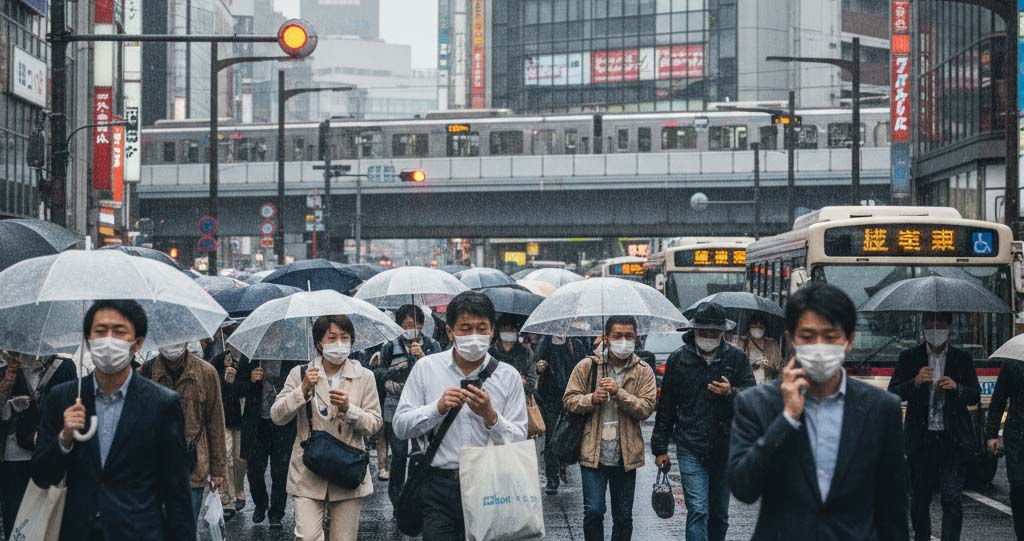
In a bid to control the spread of the virus, the Japanese authorities have declared a nationwide flu epidemic. This move comes as flu cases continue to rise at an alarming rate, with hospitals struggling to manage the influx of patients. The government is not only focusing on healthcare measures but has also reintroduced some COVID-19 protocols, such as mask-wearing and social distancing, to curb transmission. With the flu now spreading rapidly across the nation, concerns about the potential for a second lockdown are growing. Travelers, especially those with plans to visit Japan, are urged to monitor updates from health authorities closely.
Potential Impact on Japan’s Tourism Industry
The flu epidemic has significant implications for Japan’s already fragile tourism industry. After years of pandemic-related restrictions, Japan has just begun to see a recovery in tourism numbers. The sudden surge in flu cases, along with the closure of schools and childcare centres, could dampen the enthusiasm of both international and domestic travelers. With fewer people going out due to health concerns, travel agencies, airlines, and hotels are bracing for a potential dip in bookings. If the flu outbreak continues to worsen, the government may implement stricter measures, potentially leading to further disruptions in the tourism sector.
Travelers Urged to Take Precautions
As the situation continues to unfold, health experts are advising travelers to be cautious when planning trips to Japan. The flu virus is highly contagious, and those traveling from or to affected areas should take extra precautions. Masks, frequent hand washing, and maintaining physical distance are recommended to avoid getting sick or spreading the virus. Travelers should stay informed about the latest developments and be prepared for changes to their travel plans. If the flu outbreak worsens, Japan may take further measures, such as restricting movement or imposing travel bans, which could lead to cancellations or delays for tourists.
School Closures Affect Families and Communities
The closure of schools has been a significant blow to families across Japan. Parents are struggling to balance childcare and work, while communities are facing the challenges of ensuring children’s education continues. The closures are expected to continue for several weeks, with many parents unsure of how long they will last. The Japanese government has promised to provide support to affected families but has also warned that these closures could become a recurring problem. For the tourism industry, this situation means fewer opportunities for families to travel during the holiday season, further exacerbating the financial strain caused by the ongoing epidemic.
What’s Next for Japan and Its Tourists?
With the flu epidemic continuing to spread, Japan’s future remains uncertain. The government’s actions, including the closure of schools and reimplementation of COVID-19 measures, suggest that the situation is being taken very seriously. For travelers planning to visit Japan, the situation may change rapidly. Those with travel plans should stay up-to-date with local news and government advisories. While the flu outbreak is currently the most pressing concern, tourism professionals are also looking ahead to see how Japan handles this crisis and how it might affect future travel trends in the region.
The Road Ahead for Japan’s Tourism Sector
The tourism sector in Japan faces another tough challenge. After the COVID-19 pandemic led to a sharp decline in international visitors, the flu outbreak has presented yet another obstacle for the industry. While Japan’s vaccination campaign has been effective in limiting the severity of the illness for many, the strain on hospitals and the closure of public facilities could dampen tourism for months. Tourists planning to visit Japan are advised to prepare for potential disruptions, including changes to travel routes, hotel cancellations, and strict health protocols at airports. While it’s too early to predict the long-term effects, one thing is clear: Japan’s tourism industry is facing yet another crisis that could delay its full recovery.
Conclusion: A Call for Caution Amid Growing Concerns
The flu epidemic in Japan is a serious public health crisis that could have far-reaching consequences for both the population and the tourism industry. As hospitals continue to manage the influx of patients and schools remain closed, the situation is evolving rapidly. Travelers planning to visit Japan should be cautious and stay updated on the latest government advisories. With the flu outbreak still in its early stages, it remains to be seen how long it will last and whether it will lead to a full-scale lockdown. For now, travelers and locals must remain vigilant as Japan works to contain the spread of this deadly flu virus.

link