Published on
November 4, 2025

Japan is witnessing an extraordinary rise in visitors as Japan tourism reaches new heights and transforms into one of the nation’s key economic drivers. What began as a post-pandemic recovery has turned into a long-term national mission, with the government working to make travel sustainable, inclusive, and beneficial for communities across the country. The goal is clear: make Japan tourism not just about numbers, but about balanced development that strengthens both cities and rural regions.
The Numbers Behind the Growth
According to official data, Japan’s visitor numbers have surged at an unprecedented pace.
- In 2024, inbound travel growth reached 36.87 million, up 47.1% from the previous year.
- In April 2025 alone, nearly 4 million travelers arrived — the highest monthly total ever recorded.
- The Ministry of Land, Infrastructure, Transport and Tourism attributes this surge to a weaker yen, expanded air routes, and pent-up global demand.
This rapid expansion highlights the scale of Japan tourism today — a sector now seen as a major engine of economic revival and international exchange.
National Goals and Long-Term Vision
The government aims to attract 60 million overseas visitors annually by 2030 as part of a broader economic revitalization plan. Under the government tourism strategy, tourism is positioned as a pillar of growth that complements Japan’s manufacturing and technology industries.
Officials have outlined how tourism benefits the nation by:
- Generating jobs and regional income
- Encouraging international understanding through cultural exchange
- Supporting traditional crafts and culinary arts
- Diversifying revenue sources beyond exports and industry
Japan tourism has evolved into a powerful global brand, symbolizing both the country’s hospitality and its ability to innovate while preserving heritage.
The Uneven Impact of the Tourism Boom
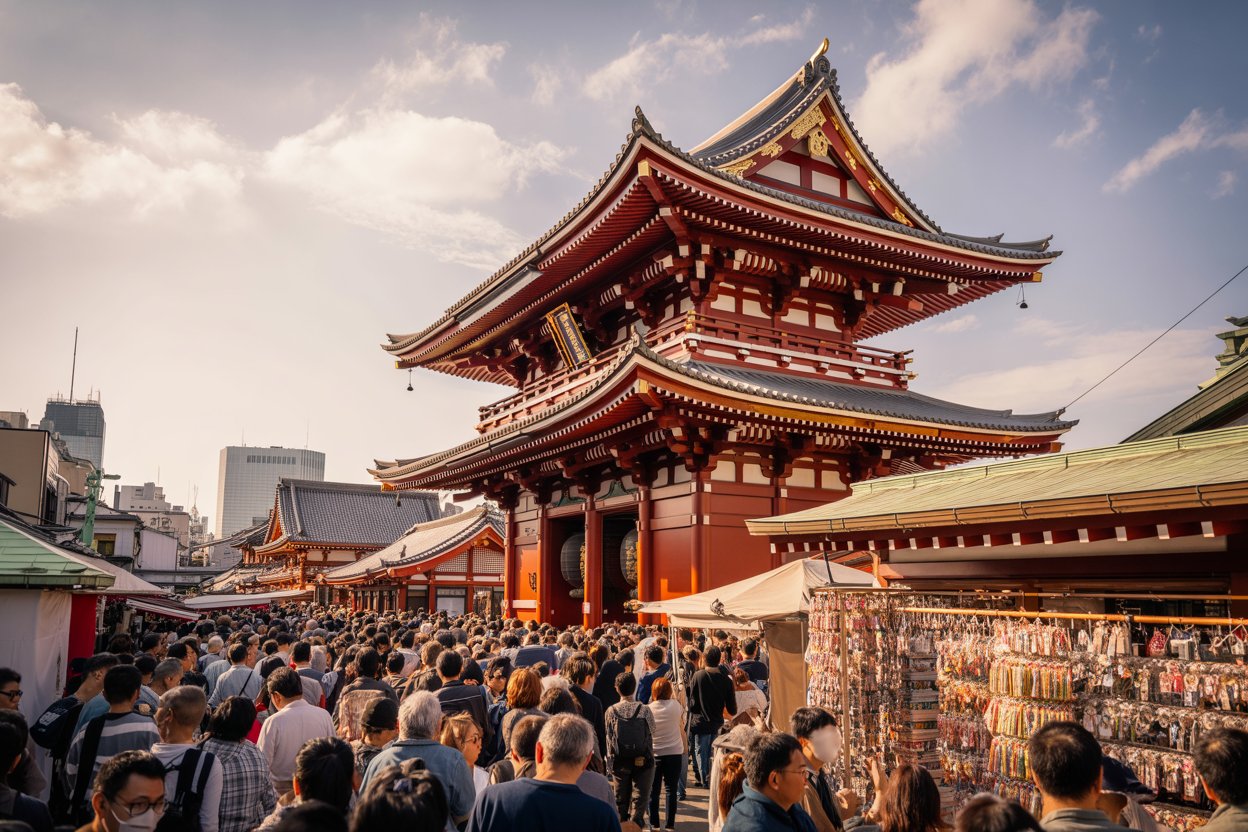
While the tourism boom has brought prosperity, it has also highlighted disparities. Major cities like Tokyo, Kyoto, and Osaka face crowding, higher living costs, and strain on local services. In contrast, many beautiful and historic regions remain under-visited.
To address this, the government has prioritized regional tourism promotion. The Japan Tourism Agency and local governments are investing in campaigns that showcase lesser-known destinations such as Nagoya, Kanazawa, and Takayama, along with eco-tourism areas like Hokkaido and Kyushu. Efforts include improving signage, expanding transport access, and supporting local festivals and traditions to attract a wider range of visitors.
Managing Success Through Sustainability
The rapid rise of Japan tourism has required careful overtourism management. The government and municipalities are introducing new measures to balance growth with livability. Among these are:
- Promoting longer, off-peak stays instead of short, concentrated trips
- Encouraging meaningful, experience-based tourism
- Supporting community-led initiatives that integrate visitors with local culture
- Implementing visitor caps or tourist taxes in sensitive heritage areas
These steps reflect Japan’s commitment to ensuring tourism enhances communities without overwhelming them.
Strengthening Regional Connections
A major part of the government’s plan is its tourist distribution policy, designed to spread economic benefits across prefectures. This involves improving transport links, encouraging regional cooperation, and connecting local industries — such as food, crafts, and agriculture — with tourism.
In Aichi Prefecture, Nagoya is a prime example of this shift. Once known mainly as an industrial hub, the city is being rebranded as a cultural destination. Visitors are discovering attractions like Nagoya Castle, Atsuta Shrine, and its vibrant food scene, all part of the broader regional tourism promotion strategy.
Innovation and Technology in Travel
Digital innovation is reshaping Japan tourism. Government initiatives are investing in “smart tourism” solutions that make travel easier and more personalized. These include:
- AI-powered translation tools and digital guides
- Cashless payments and transport integration
- Data analytics to manage visitor flows
- Immersive technologies for historical and cultural learning
By blending tradition with technology, Japan is making travel smoother for visitors while gathering insights that support better planning and sustainability.
Tourism as Cultural Exchange
Beyond economics, tourism plays a central role in strengthening Japan’s global cultural presence. Through arts, food, and heritage programs, the government is promoting cultural diplomacy. Projects like heritage preservation, volunteer tourism, and educational exchanges help visitors engage deeply with local communities, making Japan tourism both enriching and respectful.
This people-centered approach aligns with Japan’s broader vision of harmony — sharing its culture while protecting the authenticity that draws travelers in the first place.
Looking Ahead
The revival of Japan tourism has breathed life into local economies and small businesses nationwide. Hotels, transportation networks, and artisans have all benefited from the influx of global visitors. Looking forward, the government plans to expand cooperation between ministries and local administrations to ensure continued growth.
Future priorities include:
- Enhancing digital access in rural regions
- Expanding bilingual training for tourism workers
- Building sustainable infrastructure for long-term growth
- Creating cultural travel corridors that link major and regional attractions
By 2030, Japan aims to be recognized not only for the number of tourists it welcomes but for how well it manages the balance between economic vitality and cultural preservation.
A Sustainable Future for Japan Tourism
Japan tourism now stands as a model for how a country can welcome millions of visitors while maintaining its identity and harmony. Through coordinated government tourism strategy, regional tourism promotion, and responsible overtourism management, Japan is crafting a vision of sustainable success.
As the tourism boom continues, Japan is proving that growth, culture, and community can thrive together — setting a global benchmark for the future of travel.

link