
Published on
August 10, 2025 |

Obon Festival 2025 will be celebrated from August 13 to 15 in Tokyo, Kyoto, and Osaka, with many other regions of Japan observing different dates. This annual Buddhist festival, centered around honoring deceased ancestors, plays a crucial role in cultural and tourism calendars of Japan. While not an official public holiday, it marks a significant period when many Japanese people return to their hometowns for family gatherings, paying respects to their ancestors through ceremonies that range from traditional dances to lighting lanterns.
As the holiday continues to grow in significance, its impact on tourism is profound. Obon attracts not only locals but also international visitors who seek to experience Japan’s rich culture. The festival offers an opportunity for travellers to witness unique traditional practices, explore historical sites, and partake in the vibrant festivities across various cities.
Obon’s Cultural Significance and Global Comparisons
Obon is a deeply rooted Buddhist tradition. It is believed that during this time, the spirits of deceased ancestors return to Earth to reunite with their families. The three-day celebration involves a variety of rituals, including grave cleaning, food offerings, and special dances known as Bon Odori. Lanterns are often hung outside homes to guide spirits back, and small bonfires are lit to help them find their way.
For many international visitors, Obon’s customs are reminiscent of festivals like Mexico’s Day of the Dead and China’s Hungry Ghost Festival, which also honor spirits and ancestors. However, Obon carries unique traditions such as the creation of “spirit mounts,” with offerings of cucumbers shaped like horses to invite spirits to return quickly, and eggplants shaped like oxen to ensure they depart slowly.
Impact on Japanese Tourism
Obon has a notable influence on Japan’s tourism, drawing both local and international visitors who wish to engage with the festival’s profound traditions. The period also coincides with a peak in domestic travel, as Japanese citizens flock to their hometowns for reunions. This surge in travel has a visible impact on accommodation availability, public transportation, and flight bookings.
While the festival is a time for reflection and reverence, it is also filled with joy and celebration, with Bon Odori dances and local festivals occurring across the country. In major tourist destinations like Tokyo and Kyoto, these events bring a boost to local economies, providing opportunities for restaurants, hotels, and street vendors to engage with a large influx of visitors.
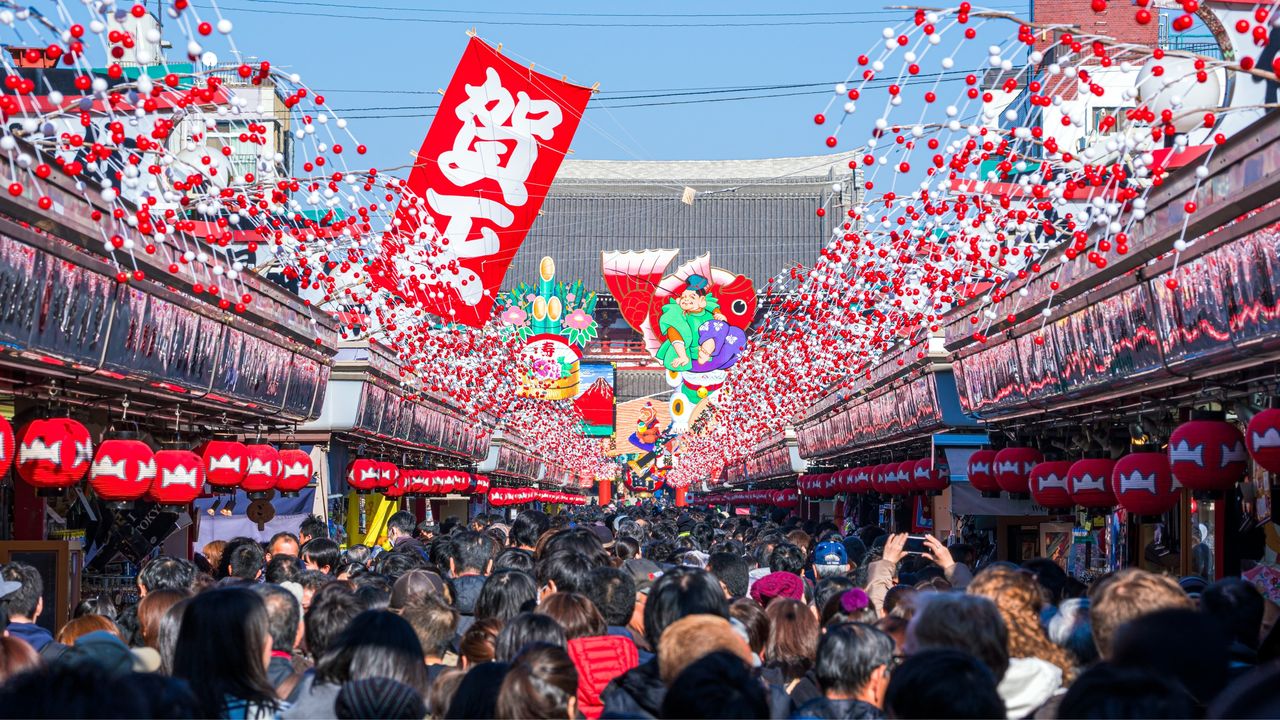
Additionally, popular festivals such as the Awa Odori in Tokushima and the Daimonji Gozan Okuribi Fire Festival in Kyoto further contribute to the tourism influx during Obon. These celebrations are a draw for travellers eager to experience Japan’s culture up close. Lantern displays during Toro Nagashi in Hiroshima and Tokyo’s Asakusa area are also major highlights, offering travellers a chance to witness the beautiful tradition of floating lanterns, symbolizing the guiding of spirits back to their resting places.
How Obon Affects Travel and Tourism in Japan
The period surrounding Obon is one of the busiest travel times in Japan. From August 8 to 16, the country’s high-speed bullet trains, known as Shinkansen, see a spike in activity as people travel to their hometowns for the festival. This surge leads to increased competition for tickets and accommodations.
In response to heightened demand, hotels in key cities may increase their rates, and transportation options can become more expensive, especially for last-minute bookings. International visitors are encouraged to plan their trips well in advance, ensuring they secure the best deals on hotels and travel services.
For tourists planning to visit Japan during Obon, it is essential to consider the holiday’s impact on daily operations. Public transportation can be crowded, and many businesses, including restaurants and shops, may close during the festival days. However, for those looking to experience Japan’s cultural heritage and immerse themselves in local customs, Obon offers a once-in-a-lifetime opportunity.
Obon Festival Traditions That Attract Tourists
One of the key draws for tourists is the vibrant Bon Odori dances. Performed in parks, gardens, and shrines across Japan, these folk dances are accompanied by traditional taiko drums and create a festive atmosphere that visitors can freely enjoy. Additionally, participating in these dances or watching the performances is an immersive way to connect with local customs and the spirit of the festival.
Street food is another significant part of the Obon experience. For those visiting during the festival, sampling Japanese street food such as takoyaki, yakisoba, and okonomiyaki is a must. The food stalls, typically found near festival grounds, serve as the perfect way to savor the flavors of Japan while enjoying the lively atmosphere.
Regional Highlights and Events
Throughout the Obon period, regional festivals become a focal point for cultural exchange. In Hokkaido, visitors can attend the Hokkai Bon Odori, while in Nagasaki, the Shoro Nagashi Festival features the release of hundreds of floating lanterns. Kyoto’s famous fire festival, Daimonji Gozan Okuribi, involves lighting large bonfires on the mountainsides, creating a breathtaking spectacle that attracts photographers and tourists alike.
The festival is also an opportunity to visit iconic landmarks like the Kiyomizu-dera Temple in Kyoto, where visitors can reflect on the spiritual significance of Obon. For those interested in exploring Japan’s natural beauty, the lantern ceremonies in the rivers of Tokyo and Hiroshima provide an enchanting setting.
Conclusion: Obon’s Role in Shaping Japan’s Tourism Landscape
Obon Festival 2025 will undoubtedly continue to shape Japan’s tourism, attracting travellers keen to experience one of the nation’s most significant cultural festivals. With its combination of ancient traditions, family reunions, and joyful celebrations, Obon offers a unique glimpse into Japanese culture that will resonate with both domestic and international visitors. While it may be a challenging period for travel due to higher demand for accommodation and transportation, it is a rewarding time for those who wish to be part of this unforgettable celebration.

link